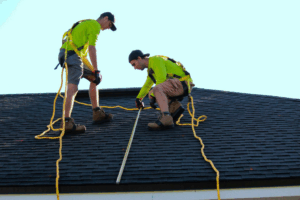
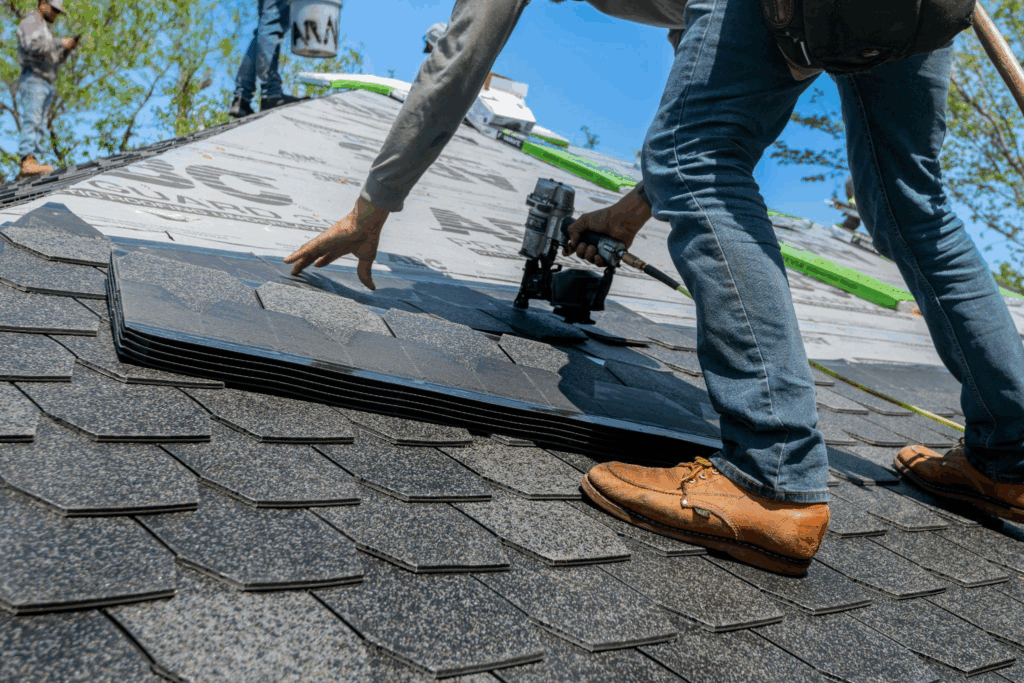
When we talk about a home’s roof, we’re really talking about a journey, from that fresh installation when everything is crisp and clean, through steady service, minor repairs, the aging signs, and eventually the major decision to replace.
Understanding the roof’s lifecycle helps you, as a proactive homeowner, to extend its life and budget smarter. This blog walks through each stage of a roof’s lifecycle and shows what you can do to maximise its value and durability.
Stage 1: Installation & Early Service
This is where the foundation is laid, literally. From selecting the right materials and working with a qualified installer to ensuring proper ventilation and flashing, everything sets the tone. The quality of installation impacts how soon issues will emerge.
Maintenance and renewal of roofs require frequent inspection and a good understanding of roof deterioration with time. Therefore, choosing the right team matters: if you’re working with a roofing contractors in Brainerd MN, seek someone experienced in your material of choice. A good “roofer” covers not just installation but proper deck preparation and weather‑proofing from day one.
Stage 2: Early Life (0‑10 years)
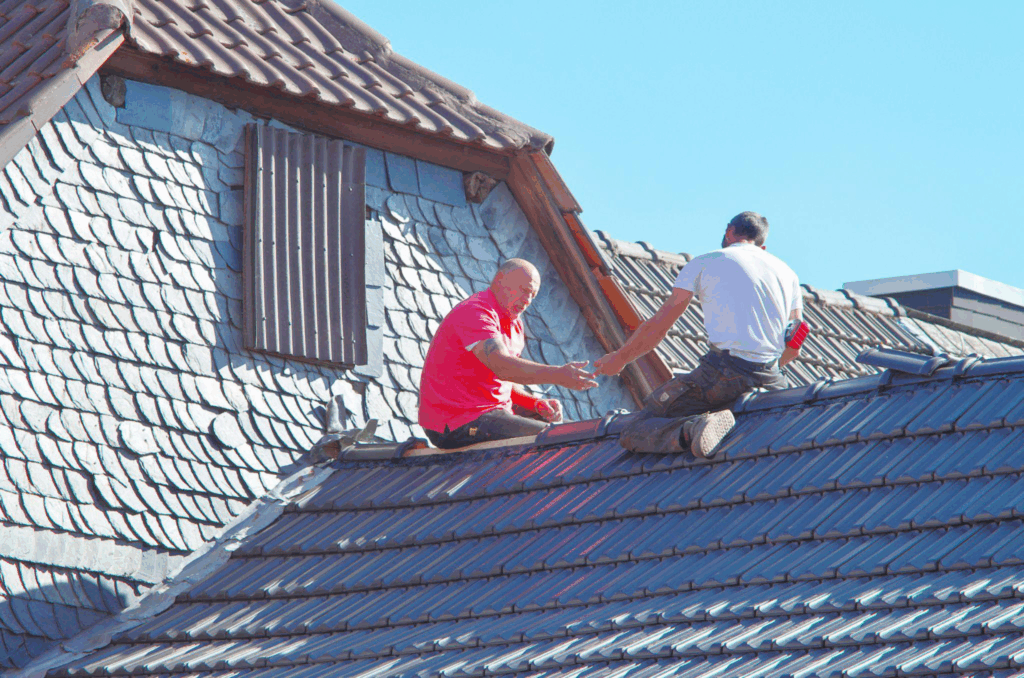
In this phase, your roof is operating relatively trouble‑free. Minor maintenance like gutter cleaning, trimming overhanging branches, and checking for small leaks or missing shingles keeps things moving smoothly. Regular roof inspections, like an annual check, are incredibly valuable.
Materials also matter: standard architectural asphalt shingles might last around 15‑20 years on average. Whereas, metal roofing systems may last 40‑70 years or more.
Therefore, during early life, you’re mostly in maintenance mode.
Stage 3: Middle Life (10‑25 years)
This is the phase where your roof might still look fine, but small signs of ageing begin to show: curling shingles, minor granule loss on asphalt, or slight seam issues on metal. It’s also when major storms or environmental exposure can make a difference.
For asphalt roofs: if you’ve got a 15‑20‑year rated roof, you’re nearing the end of what you might expect without replacement. For metal roofs, you may still be well within service, but proper maintenance is key.
In this stage, proactive steps include roof inspection, especially after major weather events, and addressing smaller problems before they become leaks or structural issues. Neglect here-to‑there often ends up shortening life prematurely.
Stage 4: Late Life & Pre‑Replacement (20‑40+ years)
Here’s where decisions become critical. If you’ve got an asphalt shingle roof reaching 20‑30 years old, you might start needing more frequent repairs.
At this point, you should be evaluating whether repairs are still cost‑effective or whether replacement makes sense. Also consider what newer materials and technologies (cooler finishes, better under‑layments, improved flashings) might bring to the table.
A key tool is a thorough roof inspection, ideally by a qualified roofing contractors in Minneapolis MN, so you can gauge structural integrity, possible decking issues, flashing wear, and decide whether to reroof or fully replace.
Stage 5: Replacement or Full Re‑Roof
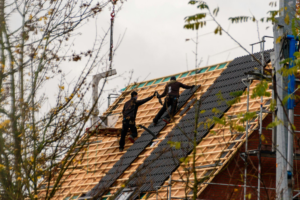
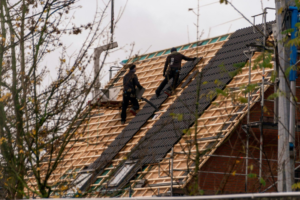
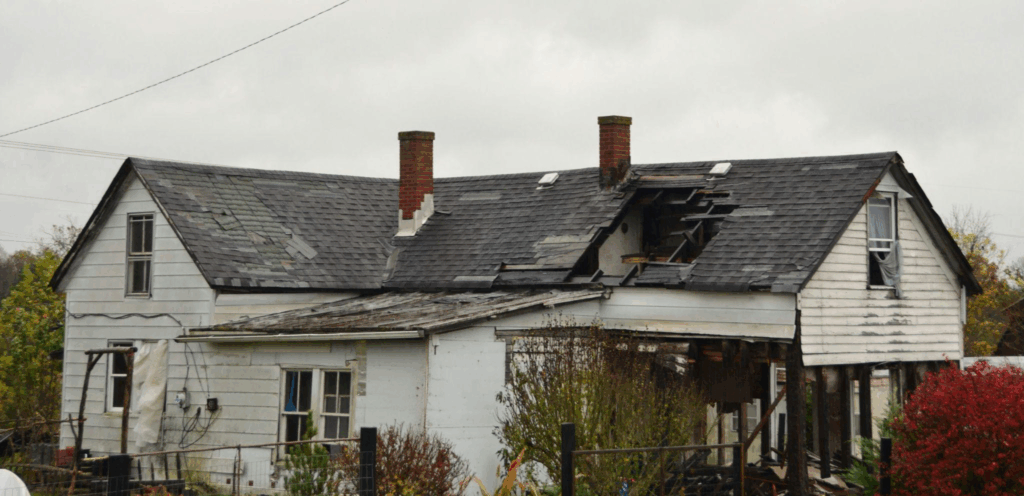
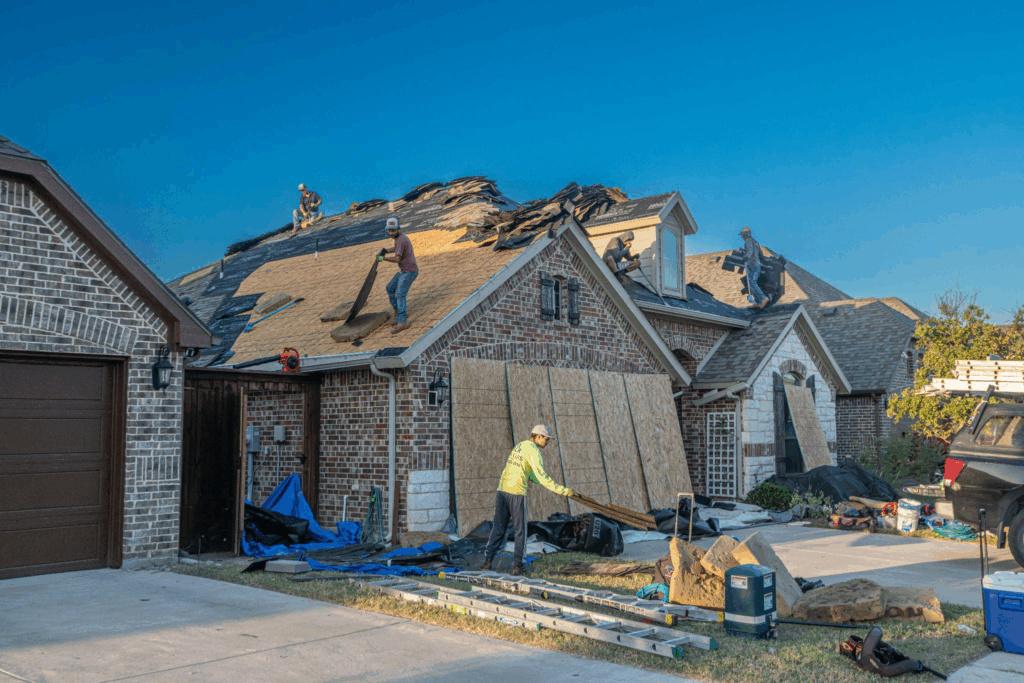
Eventually, every roof arrives at this point. A full replacement involves tearing off the old material, inspecting or replacing decking or insulation, installing new underlayment, flashing, and the new roofing layer itself. The choice of material for the new layer matters. Since one of the most decisive cost factors over a roof’s life is how often you replace it, going for a longer‑lasting material can pay off.
When you reach this stage, video or image documentation of the old roof condition, budget planning, and selecting a quality contractor become essential. This isn’t a place for shortcuts; poor installation now means problems sooner.
How to Prolong the Roof’s Lifecycle
Here are practical steps every homeowner can take:
- Annual inspections: A qualified roofer checks for flashing failure, granule loss, corrosion, or debris buildup.
- Prompt storm damage assessment: If you live in an area prone to hail or wind, address the damage rather than letting it accumulate.
- Clean gutters, trim trees, remove debris: These seemingly small tasks reduce strain, moisture accumulation, and moss growth, which can shorten life.
- Upgrade when partly replacing: If you’re making major repairs, consider upgrading to better materials or ventilation; this extends future life.
- Maintain documentation: Keep installation records, repairs performed, and inspection results; these are useful when it comes time to replace or sell.
When it comes to a roof’s lifecycle, understanding each stage, from installation to replacement, empowers homeowners to act proactively, extend longevity, and prevent costly damage. Regular inspections, timely maintenance, and addressing storm or hail damage early are key steps in preserving both the function and appearance of your roof.
For homeowners in Minnesota, LW Haugen LLC offers comprehensive roofing services that cover every stage of your roof’s lifecycle. Our team specializes in metal roofing, asphalt Shingles in Bemidji MN, storm damage repair, and routine roof maintenance in St Cloud MN. With licensed and insured professionals, we ensure proper installation, thorough inspections, and long-term solutions to maximize your roof’s durability and performance.
Don’t wait until minor issues become major problems; contact us today for roof inspection, maintenance check, or repair consultation, and protect your home with confidence.