Your roof is more than a barrier against rain, snow, and sun. It’s a mediator between the outside world and your living space; filtering noise, controlling humidity, and shaping the air you breathe. When well designed and built, good roofing silently enhances your comfort, health, and peace of mind. However, when corners are cut, even small defects can echo with mold, noise, stale air, or worse.
In this blog, we’ll look past the cliché of “keeping water out” and explore three often-overlooked benefits of good roofing.
Quiet Under Foot: Roofing’s Role in Noise Control
When you hear rain pattering on the roof or a distant siren in the night, how much sound reaches your living room depends heavily on the roof’s acoustic performance. Roof assemblies, roof deck, underlayment, insulation, and ceiling; all of these form a pathway for noise. This is why sound transmission through roof systems is complex and must account for how cladding, underlayments, and insulation interact.
In practice, architects now pay close attention to above-deck insulation because it often dictates the Noise Reduction Coefficient (NRC) of the roof. A higher NRC means better absorption of mid-frequency noise (less echo, less intrusion).
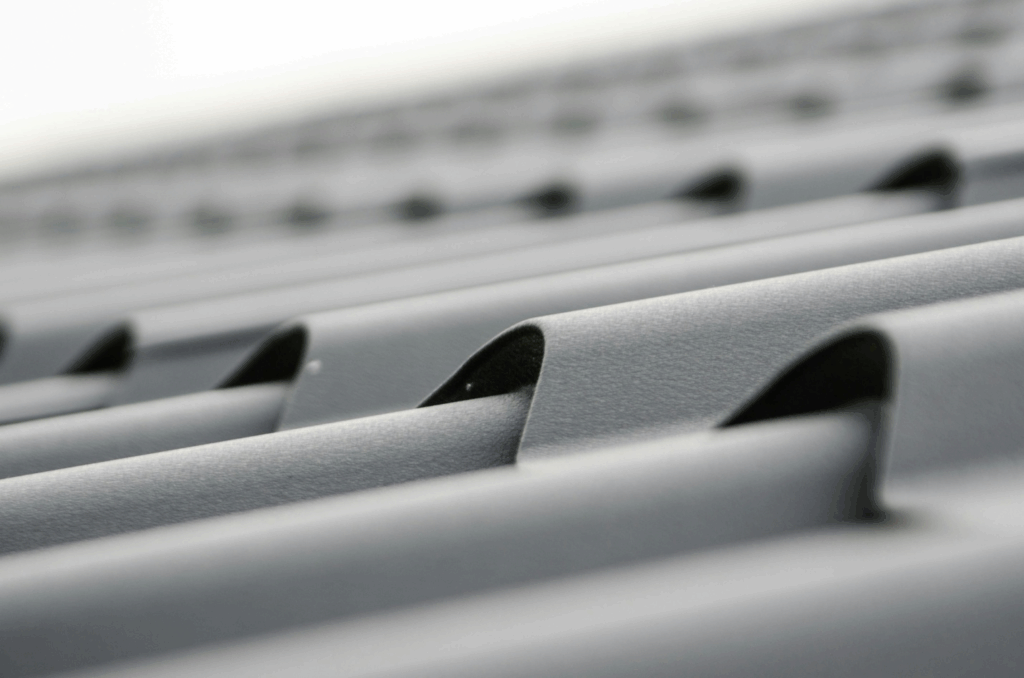
Metal roofs sometimes earn a reputation for being “noisy,” but that’s a stereotype. Thicker metal panels vibrate less under rain, and when paired with sound-dampening underlayments, they can reduce street noise in urban settings.
When selecting roofing, don’t treat acoustics as an afterthought. A roof that muffles life’s soundtrack is one you’ll hardly even notice.
The Moisture Trap: How Roofing Can Backfire or Save You
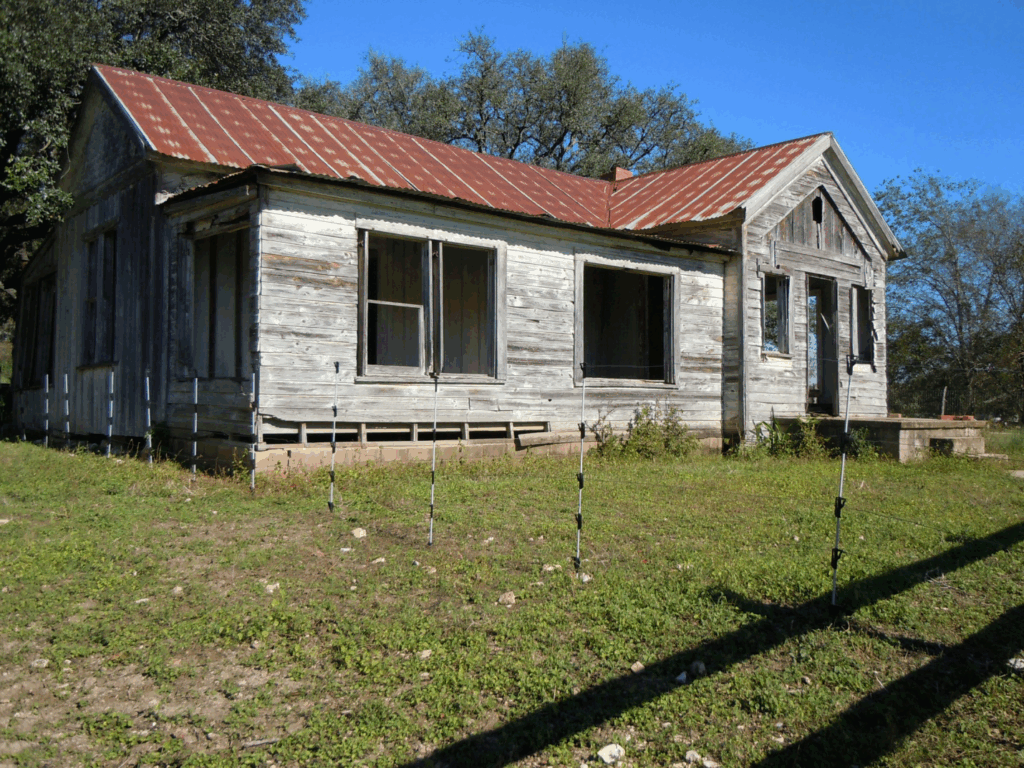
Leakage is the obvious enemy of a roof. But even without overt leaks, moisture can build up subtly, through condensation, vapor diffusion, or poorly ventilated cavities. This condensation occurring inside cavities can degrade insulation, rot wood framing, corrode metal, and feed mold.
Roof ventilation is a crucial tool. Proper airflow (ridge vents, soffit vents, powered ventilators) allows warm, moist air to exit the attic space, reducing condensation risks and lowering strains on the HVAC system.
In tight building envelopes, the roof must also be able to breathe, allowing moisture that does get in to escape. The EPA notes that the entire building envelope, including the roof, must be designed to prevent moisture entry but also to allow any trapped moisture to vent.
Unchecked moisture invites mold, mildew, musty smells, allergy triggers, and structural decay; growing indoor mold spores are a serious health hazard and thrive in damp conditions.
In short, that “surface waterproofing” is just step one. Moisture control demands a roof designed to move air and manage vapor.
Breathing Easy: Roofing as a Contributor to Indoor Health
We spend most of our lives indoors. The U.S. EPA estimates Americans are inside 90 % of the time; therefore, the quality of indoor air, temperature, humidity, and pollutant levels matters deeply.
A roof that leaks or traps humidity undermines this health equation. Dampness encourages mold, mildew, and microbial growth, raising the concentration of indoor pollutants. The EPA’s guidance on remodeling emphasizes moisture control to suppress biological growth that harms indoor air quality.
Poor roofing can also contribute to thermal stress: heat transfer, drafts, and temperature swings sap comfort and push energy systems harder. A roof with reflective surfaces or “cool roof” design can drop surface temperature drastically. A cooler roof surface means less heat pushing into your living spaces.
When roofing fails these roles, you don’t just get a roof leak; you get mold symptoms, persistent humidity, stuffy air, and discomfort.
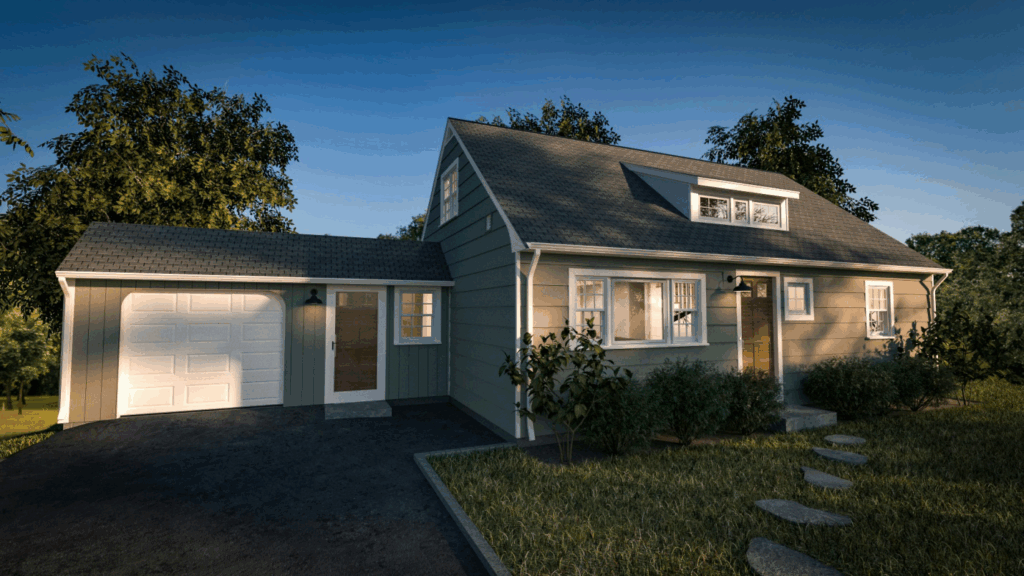
A roof influences far more than curb appeal; it protects health, creates comfort, and provides long-lasting value when built with the right materials and care. Choosing the right team ensures your roofing does more than just shield against weather; it enhances everyday living by reducing noise, preventing hidden moisture, and improving safety.
That’s where LW Haugen LLC comes in. As a trusted roofing company in St Cloud, MN, we specialize in durable solutions like asphalt shingles, metal roofing Brainerd MN, and storm damage repairs.
With a reputation for quality workmanship and dependable service, our skilled roofers handle everything from inspections to full replacements, ensuring your home stays safe, comfortable, and energy-efficient. Whether you need proactive roof maintenance in St cloud MN or emergency hail damage repairs, we deliver with expertise and care.
Your roof should work harder for you, protecting your home and enhancing your lifestyle. Contact us today and experience the benefits of good roofing done right.