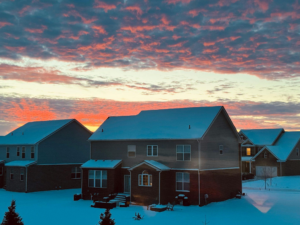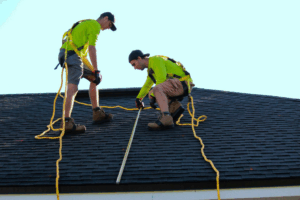
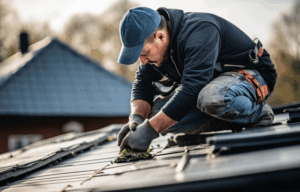
Most homeowners rarely think about their roof, until there’s a leak. By then, it’s often too late to avoid expensive repairs. The truth is, roof damage doesn’t usually happen overnight. It starts small: a missing shingle here, a minor leak there, or flashing that’s pulled away just enough to let water in. Left unchecked, these issues grow into costly problems that affect not only your roof but also your home’s structure.
At LW Haugen LLC, we’ve seen it time and again: homeowners who caught early warning signs saved thousands compared to those who waited. The key is knowing what to look for. Let’s break down the signs of roof damage, what causes them, and how to act before the repair bill skyrockets.
Why Catching Roof Damage Early Is Crucial
Roof systems are designed to be tough, but they’re also constantly exposed to the elements. When damage goes unnoticed:
- Leaks spread silently: Moisture seeps into insulation, framing, and drywall. By the time water spots appear indoors, the damage underneath may already be extensive.
- Mold growth starts quickly: Even small leaks create conditions for mold and mildew, which can harm indoor air quality.
- Repairs get more expensive: Replacing a few shingles is simple. Replacing an entire section of decking due to rot? Not so much.
- Roof lifespan shortens: Neglected maintenance accelerates wear, forcing a full replacement years earlier than expected.
Regular checks—and knowing the red flags—are the simplest ways to avoid these outcomes.
Exterior Warning Signs
You don’t need to climb onto your roof to notice most problems. With a good eye from the ground (or binoculars), you can often spot these signs:
1. Missing, Curling, or Cracked Shingles
Shingles protect your roof’s underlayers from water. If they’re broken or missing, your roof is exposed. Pay attention to areas hit hardest by wind.
2. Granule Loss
Asphalt shingles are coated with granules for UV protection. If you see granules piling up in gutters or around downspouts, it’s a sign shingles are wearing down.
3. Damaged Flashing
Flashing, metal strips around chimneys, vents, and valleys, keeps water out of vulnerable areas. Rust, gaps, or missing flashing almost always lead to leaks.
4. Sagging Rooflines
A sagging roof is more than cosmetic, it can signal rotting decking or even structural failure. Call professional roofing contractors in St Cloud immediately if you see sagging.
5. Moss or Algae Growth
Dark streaks may look harmless but can trap moisture and speed up deterioration. Moss between shingles can lift them, leaving gaps for water.
Interior Warning Signs

Sometimes, the first signs of roof damage appear inside your home:
- Ceiling stains: Brown or yellow patches on ceilings or walls often indicate a roof leak.
- Damp attic insulation: Wet insulation loses its effectiveness and points to water intrusion.
- Light in the attic: If sunlight is visible, water can get in.
- Musty odors: Persistent smells may signal hidden mold caused by roof leaks.
Common Causes of Roof Damage
Understanding the causes helps you prevent issues before they start:
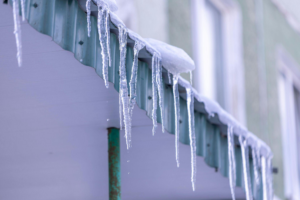
- Severe weather: Hail, high winds, and ice dams wreak havoc on shingles and flashing.
- Aging materials: Even the best roof wears down after decades of exposure.
- Poor ventilation: Heat and moisture buildup inside the attic accelerates shingle deterioration.
- Neglected maintenance: Skipping inspections and gutter cleanings shortens roof life significantly.
Seasonal Checklist for Homeowners
Keeping up with the seasons is one of the smartest ways to extend your roof’s life.
- Spring: Check for ice dam damage, inspect shingles, and clean gutters.
- Summer: Look for moss or algae growth; trim back overhanging branches.
- Fall: Clear leaves from gutters, inspect flashing, and prepare for snow load.
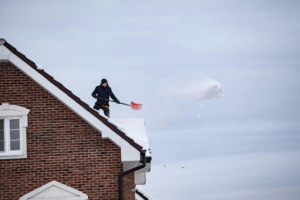
- Winter: Watch for ice dams, monitor attic insulation, and remove heavy snow buildup safely.
When to Call a Professional
Some problems are easy to spot, but others require trained eyes and experience. Contact a roofing companies in St Paul MN if you notice:
- Multiple missing or cracked shingles.
- Sagging areas across the roof.
- Leaks during or after storms.
- Repeated ice dam formation.
Getting help early means smaller repairs and less stress.
Protecting Your Home and Budget
Catching roof problems early saves money, but more importantly, it protects your home’s structure and your family’s comfort. A small investment in inspections and timely repairs pays off in the long run.
Don’t Wait Until It’s Too Late
At LW Haugen LLC, we help homeowners identify and address roof damage before it spirals. Whether you need a quick repair or a thorough inspection, our experienced team ensures your home is safe and secure.
Call LW Haugen LLC today to schedule your professional roof inspection. Protect your home, extend your roof’s life, and stop small problems before they become expensive ones.